
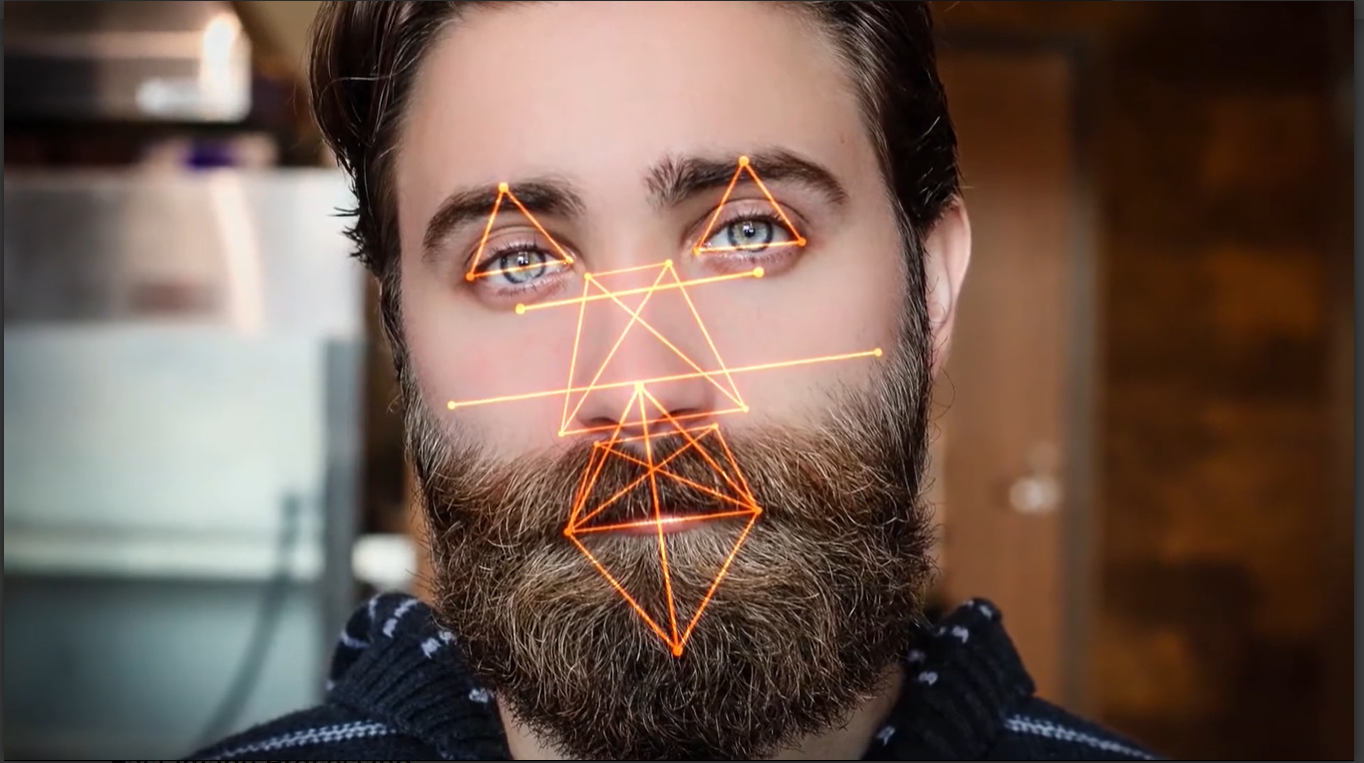

Every Face Has a Story
Face Recognition is a Senstar Symphony-based video analytic that identifies known and unknown individuals. Using a combination of patented 2D to 3D pose correction technology, this face recognition analytic is designed for fast, reliable identification under real-world challenges, including lighting, angles, facial hair, pose, glasses and other occlusions, motion, crowds, and expression.
Benefits of Face Recognition
Fast Image Processing
Senstar Face Recognition has registered a template correlation speed of 25 million matches per second (.040 microseconds/match), per core, against both live and archival video. This makes facial biometric, multi-factor authentication possible and translates to accelerated response times for security and customer relationship applications.
Accurate, Reliable Detection
Face Recognition can deliver results in less than ideal conditions. It can detect and identify faces in crowds, when the facial appearance or expression has changed, or where the faces are partially obstructed. Face recognition can also include a liveness check to prevent spoofing. In testing, it has achieved a 99.44% Rank 1 matching accuracy on the Facial Recognition Technology (FERET) high pose data set. It has also achieved a 97.60% Rank 1 matching accuracy on the Labeled Faces in the Wild (LFW) data set, with a false positive rate of 0.1%.
Smart Search
Perform forensic investigations by quickly searching historical video archives for known and unknown people. Symphony Face Recognition search works across multiple cameras, with search results being filterable by match score or date/time. Video results can easily be exported for use by authorities or management.
Improve Building Security
Built-in Senstar Symphony, Senstar Face Recognition results can be integrated with Senstar Symphony and third-party access control systems, enabling organizations to implement two-factor authentication and automated access processes.
Identify Known Offenders
Improve security in retail, border security, and educational environments by generating alarms whenever known offenders are present. Alarms can be sent via email or SMS messages, ensuring on-site staff are aware of the offender’s presence.